Understanding Flag-to-Pole Ratio for Residential Displays
When planning a residential flag display, homeowners often focus on pole height, placement, and installation.
One detail that quietly shapes how polished the display looks is proportion. The relationship between flag size and pole height affects how the display is perceived from the street and how naturally it fits within the home’s exterior.
When proportions feel right, the display appears balanced and intentional. When they are off, even a properly installed flagpole can look awkward or unfinished.
Understanding flag to pole ratio helps homeowners create a display that supports curb appeal, smooth movement, and long term performance.
Homeowners looking to learn more about the company behind their flag display can visit the about us page.
Understanding Flag to Pole Ratio
Flag to pole ratio refers to how the size of the flag compares to the height and scale of the flagpole. The goal is visual balance.
The flag should be large enough to be clearly visible, but not so large that it overwhelms the pole or surrounding space.
This ratio is not based on strict measurements alone. It reflects how the eye interprets scale outdoors.
A properly proportioned flag looks naturally connected to the pole and complements the home rather than competing with it.
Becoming familiar with basic flagpole terminology can help homeowners better understand how each component contributes to balance.
Why Proportion Matters for Residential Displays
Exterior design relies heavily on scale. Just as windows, doors, and rooflines must feel proportionate, a flag and pole must work together visually.
When proportions are correct, the flag becomes a focal point without dominating the yard.
The pole appears sturdy and purposeful, and the display fits naturally with landscaping and architectural features.
Thoughtful proportion works alongside other simple ways to improve your home’s exterior appeal.
General Ratio Guidelines for Homeowners
For most residential installations, a widely accepted guideline is that the length of the flag should measure roughly one quarter to one third of the total height of the flagpole.
This range allows the flag to remain visible and expressive while maintaining balance with the pole.
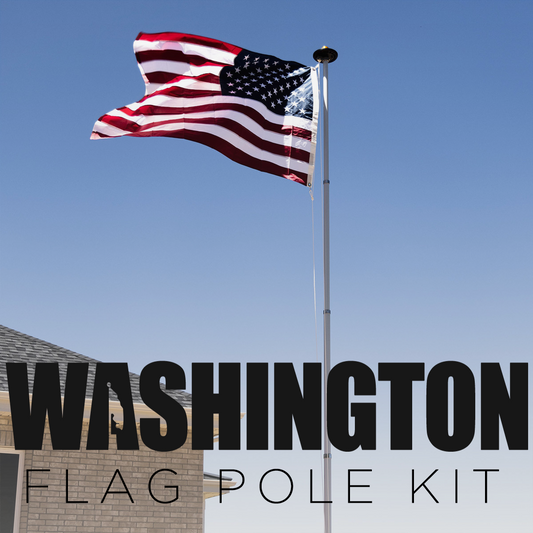
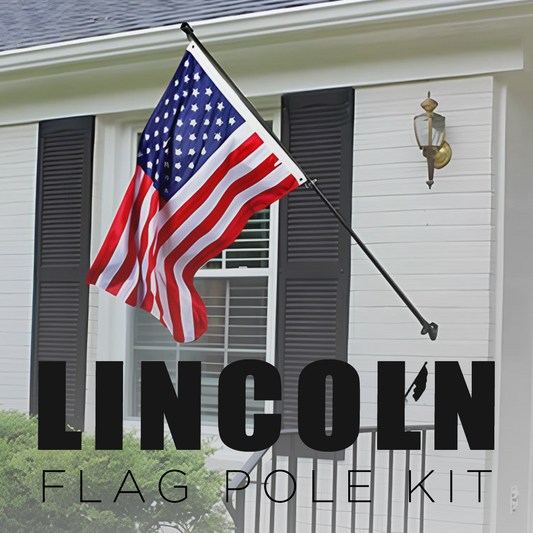
It also supports consistent performance across typical residential settings. Homeowners exploring different options may find it helpful to browse available flagpole kits while evaluating size and proportion.
How Ratio Affects Flag Movement and Durability
Proportion influences more than appearance. It directly affects how the flag behaves in daily conditions.
A flag that is too large for the pole catches more wind, increasing pull on attachment points and hardware.
Over time, this added stress can lead to faster wear and more frequent maintenance. Learning how seasonal conditions affect flagpole maintenance can help homeowners plan for long term durability.
Visual Impact of an Undersized Flag
When a flag is too small relative to the pole, the display can feel incomplete. The pole may visually overpower the flag, making the setup appear out of scale.
This effect is especially noticeable on taller poles or open properties where viewing distance increases.
Homeowners comparing options often benefit from reviewing key things to consider when choosing a flagpole to ensure proper balance.
Visual Impact of an Oversized Flag
An oversized flag often appears heavy and dominant. Instead of enhancing the property, it can overwhelm nearby architectural elements and landscaping.
Excess fabric can interrupt the clean vertical line of the pole, particularly when the flag wraps or snaps aggressively in the wind.
Selecting the correct size from a well organized flag collection helps avoid these issues while maintaining visual clarity.

Property Size and Viewing Distance
Property layout plays an important role in determining ideal proportions.
Larger yards and deeper setbacks provide more space for the display to breathe, which can support slightly larger flags within recommended guidelines.
Smaller front yards benefit from restraint. In tighter spaces, maintaining proper ratio helps prevent the flag from crowding the home or nearby structures.
Understanding how to place a flagpole in your yard can further improve overall presentation.

Making the Right Choice for Your Home
Homeowners can make confident decisions by starting with standard ratio guidelines and then evaluating their specific setting.
Consider how far the flag will be viewed from, how exposed the area is to wind, and how the display fits alongside the home’s exterior features.
Installation conditions also matter. Reviewing guidance on installing flagpole kits in cold weather can help avoid sizing or setup issues that affect performance.
Final Thoughts on Balance and Presentation
Flag to pole ratio is a subtle detail with a noticeable impact.
Proper proportions enhance curb appeal, support smooth flag movement, and help the display feel thoughtfully designed rather than improvised.
By paying attention to scale and balance, homeowners can create a flag display that looks well maintained, visually grounded, and naturally integrated into their property.