How to Prepare a New Flag for Flying: 7 Steps Every Patriot Should Know
A new flag deserves more than being clipped to a pole and sent straight up. Taking a few minutes to properly prepare it before the first flight protects the fabric, preserves the colors, and shows the respect the flag has earned. Here are seven steps that make a real difference.
Why Flag Preparation Matters Before the First Raise
Most people unbox a new flag and fly it the same day. That's understandable — the excitement of a fresh flag is real. But skipping even basic preparation steps can shorten the flag's lifespan significantly.
Factory-folded flags carry tight creases that stress the fabric when they catch wind. The stitching hasn't been tested under real load yet. And depending on how the flag was stored or shipped, it may carry dust, static, or residual packaging material that affects both appearance and fabric performance.
Taking 15 to 20 minutes before the first raise is a small investment that pays off across months of display.
7 Steps to Properly Prepare a New Flag for Flying
1. Unfold and Inspect the Flag Carefully
Start by unfolding the flag on a clean, flat surface — never the ground. Lay it out fully and do a visual inspection before anything else.
Look for:
- Loose or uneven stitching along the header (the reinforced canvas strip where grommets are attached)
- Fraying at any edge or corner
- Uneven coloring, printing errors, or fabric defects
- Grommet integrity — both grommets should sit flush and feel solid
If you purchased one of our outdoor flags, quality issues are rare. But inspecting first protects you from flying a flag that could fail prematurely — or one that doesn't meet the standards you expect.
2. Air Out the Flag to Release Factory Creases
Don't try to iron or steam a flag. Most nylon and polyester flags can be damaged by direct heat. Instead, hang the flag in a sheltered area — out of direct sun and away from wind — for a few hours.
This allows the fabric to relax naturally. The tight fold lines from packaging soften without stressing the material. A light misting of water on stubborn creases is acceptable for nylon flags, but let the flag dry completely before flying.
3. Check and Test the Grommets Before Attaching Hardware
The grommets are the two metal rings at the top and bottom of the header strip. They bear the full tension load every time the flag moves in the wind. A weak grommet on a brand-new flag is a rare but fixable problem — if you catch it before flight.
Run your finger around the inside edge of each grommet. There should be no sharp burrs, no wobble, and no separation from the canvas. Then test the snap or clip attachment from your flagpole hardware kit before raising the flag. A smooth, secure connection here prevents premature grommet wear over time.
4. Understand the Fabric You're Working With
Outdoor flags are commonly made from three materials, each with different performance characteristics:
Nylon — Lightweight, fast-drying, vibrant color. Best for moderate-wind environments. Slightly more prone to UV fading over time.
Polyester — Heavier and more durable. Performs better in high-wind areas and resists fading longer. Holds its shape well.
Cotton — Traditional appearance with a rich, matte look. Not suited for outdoor flying in wet climates. Primarily used for ceremonial display.
Knowing your flag's material tells you how it will behave in your local climate and what care routine it needs
5. Learn the Correct Attachment Orientation
This step trips up more people than expected. A flag attached upside down — even accidentally — is recognized under the U.S. Flag Code as a signal of distress. It's also a common mistake when someone is flying for the first time.

On a standard outdoor flag:
- The union (blue field with stars) should always be in the upper left as you face the flag
- When attached to a vertical pole, the union sits at the top near the peak
- On a wall-mounted flag, the union faces away from the wall to the observer's left
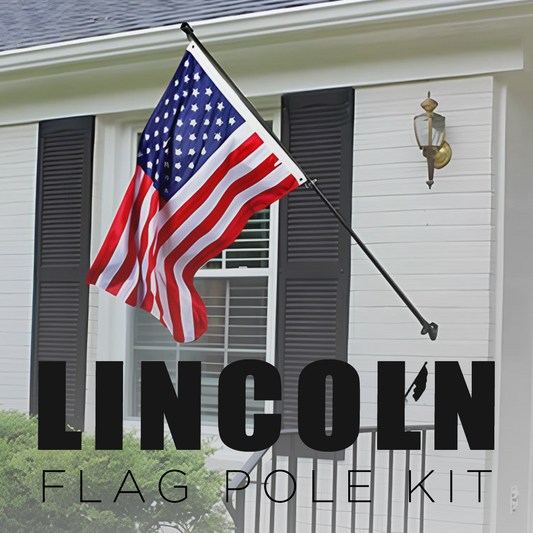
Take a moment to orient the flag correctly before connecting it to the halyards or clips. This is especially worth double-checking on wall mount flagpole kits, where orientation can be less intuitive than a ground-mounted pole.
6. Raise It Slowly for the First Time
The first raise is a functional test. Raise the flag slowly, pausing at intervals to watch how it unfurls and how the attachment hardware responds.
Watch for:
- Any twisting or looping in the halyard rope
- Flags that aren't catching air evenly, which can indicate an attachment issue
- Hardware that binds, sticks, or makes unusual sounds
If you're using a Roosevelt Flagpole Kit, the internal halyard system is designed for smooth, controlled raising. Take advantage of that by going slowly and confirming everything moves freely before leaving the flag unattended.
After a full raise, lower the flag back down once and check the grommets and attachment points again. A five-minute re-inspection at this stage catches problems before they become damage.
7. Log the Date and Set a Care Schedule
Flags have a finite lifespan — typically six months to a year for a flag flown daily, longer for flags flown occasionally. Knowing when you first raised a flag helps you track wear accurately and replace it before it becomes ragged.
Note the date, the flag size, and the material. Set a calendar reminder to inspect it every 30 days. When the time comes, the Fresh Flag Program removes the guesswork entirely by delivering a replacement flag on a regular schedule — so your display always looks sharp.
How to Store a New Flag If You're Not Flying It Right Away
If you've purchased a flag but aren't ready to fly it yet, storage matters. Folded compression over long periods can stress the stitching and flatten the fabric pile.
Best practices for short-term storage:
- Roll the flag loosely around a clean cardboard tube rather than folding it flat
- Store in a dry, climate-stable environment — avoid attics or garages with temperature swings
- Keep away from direct sunlight, which can pre-fade colors before the flag ever flies
- Do not store in plastic bags, which trap moisture and promote mildew on natural fibers

For long-term storage of ceremonial or commemorative flags, the Smithsonian's National Museum of American History recommends acid-free tissue interleaving and archival-quality storage boxes. The basic principles translate well to any flag worth keeping.
Does Fabric Treatment Help?
Some flag owners apply UV-resistant sprays or fabric protectants before the first fly. This is more relevant for cotton flags or very high-UV environments.
For standard nylon and polyester flags, the protective coatings applied during manufacturing are generally sufficient. Adding a third-party spray without knowing the fabric composition can compromise the existing treatment or affect color vibrancy.
If you're flying in a coastal environment with heavy salt air exposure, our guide on the best flags for coastal environments covers material and care recommendations specific to that climate.
FAQ
Q: Do I need to wash a new flag before flying it for the first time?
A: Not typically. New flags from reputable manufacturers are clean and ready to fly. If the flag has an unusual odor from packaging or storage, airing it out for a few hours is sufficient. Washing before the first fly is unnecessary and can prematurely stress the stitching.
Q: Can I iron out the fold creases in my new flag?
A: Avoid direct ironing on nylon or polyester flags. Heat can damage or melt synthetic fibers. Hang the flag in still air and allow the creases to relax naturally. A very light misting of water on resistant creases is acceptable for nylon.
Q: How do I know if my flag is attached correctly to the pole?
A: With the flag fully raised, the union (blue star field) should appear in the upper left corner as you face the flag. If it appears in the upper right or the flag looks inverted, lower it and re-attach before flying.
Q: How long should a quality outdoor flag last?
A: A well-made nylon or polyester flag flown daily typically lasts six months to one year. Flags flown only on holidays or special occasions can last several years. Wind exposure, UV intensity, and proper care all affect longevity significantly.
Ready to fly something worth raising? Browse our full collection of outdoor flags to keep your display looking sharp year-round.
Related Posts
How to Respectfully Retire a Flag with Honor
Flag Etiquette for Residential Neighborhoods